Business Buildings Insurance Belfast & Northern Ireland
Business buildings insurance in Belfast and Northern Ireland covers the structure of a commercial premises — the walls, roof, floors, fixtures and fittings — against risks such as fire, flood, storm, theft and accidental damage. This page explains what business buildings insurance covers, how the sum insured is set, what it typically excludes, and the questions worth asking an insurer or broker before arranging a policy.
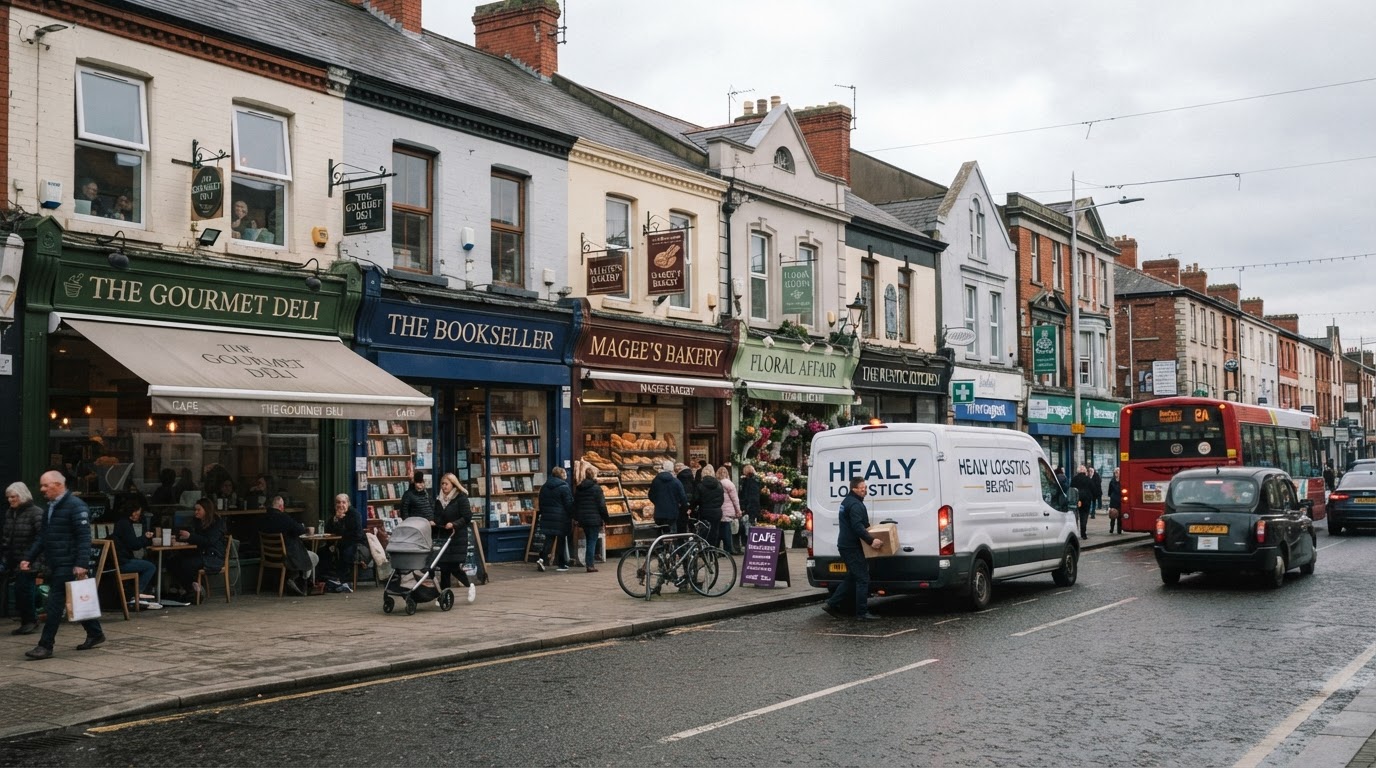
Understanding business buildings insurance in Belfast and Northern Ireland
Business buildings insurance covers the physical structure of a commercial premises — the building itself and its permanent fixtures and fittings — rather than the contents, stock or equipment inside. It is the commercial equivalent of the buildings section of a home policy, but tailored to the different risk profile of a business premises: higher footfall, business activities, equipment, and the contractual requirements of landlords and lenders. A business buildings policy may be arranged standalone or as part of a commercial combined package that also includes contents, liability and business interruption.
This page does not sell insurance, provide quotes or arrange cover. It explains what business buildings insurance covers, how the sum insured is set, what it typically excludes, and the questions worth asking an authorised insurer or broker before you arrange a policy in Belfast or across Northern Ireland.
The problem: the building and its contents are insured differently
A common problem is confusing buildings cover with contents cover. Buildings insurance covers the structure — the walls, roof, floors, and permanent fixtures and fittings — while contents insurance covers the movable items inside: stock, equipment, furniture and the business's own property. A business that insures the building but not the contents may find a theft or equipment-damage claim declined; a business that insures the contents but not the building may find a structural claim declined. Understanding which section covers what is the first step to arranging appropriate cover.
Another issue is underinsurance. Business buildings cover is typically based on the rebuild cost — the cost of reconstructing the premises including demolition, professional fees and debris removal — not the market value or the purchase price. If the sum insured is set below the rebuild cost, a claim may be reduced under average or similar policy terms. Setting the sum insured on the correct basis matters more than many business owners realise, and a reinstatement cost assessment can help set an appropriate figure.
Why the right buildings cover matters
A fire, flood, storm or structural failure at a commercial premises can cost tens or hundreds of thousands of pounds to repair and can close a business for months. Business buildings insurance pays for the repair or reinstatement of the structure within the policy terms, up to the sum insured. Without adequate cover, a business may have to meet those costs itself — or close. For a tenant, buildings cover may be the landlord's responsibility, but the tenant should confirm this and arrange contents and stock cover for their own assets; for an owner-occupier, buildings cover is the business's own responsibility.
It is also worth understanding what business buildings insurance does not include. It typically does not cover the contents, stock or equipment inside — that is contents insurance — or liability claims from customers or the public — that is public liability insurance — or the loss of income when a business is interrupted — that is business interruption insurance. A commercial combined policy may bundle these sections together, but a standalone buildings policy may not. Check which sections are included and which need to be added separately.
Premiums reflect the level of risk an insurer is taking on. Factors that commonly influence the cost of business buildings insurance include the type of premises, its construction and age, the business activity, the location, the sum insured, the security and risk controls in place, and the claims history. Each case is assessed on its own circumstances, so premiums vary between premises and providers.
How to compare business buildings insurance in Belfast
List the premises, its construction, the business activity, and any contractual requirements from a landlord or lender. Then compare policies on what they cover and exclude — not just price. Check that the buildings sum insured is set on a rebuild-cost basis, that the excesses and exclusions are acceptable, and that contents, stock, liability and business interruption are included or arranged separately where needed. When you are ready to arrange cover, speak to an appropriately authorised insurer or insurance intermediary. You can check whether an insurer or insurance intermediary is authorised on the Financial Conduct Authority's Financial Services Register at register.fca.org.uk, and check a firm's permissions and any disciplinary history. Always confirm a provider is appropriately authorised before sharing detailed personal or business information or arranging cover.
ANSWER ENGINE OPTIMISATION (AEO)
Questions to Ask When Looking for Business Buildings Insurance in Belfast & Northern Ireland
RELATED COVER & GUIDANCE
Explore related insurance categories
- Business Insurance Belfast & Northern Ireland
- Insurance for Businesses Belfast & Northern Ireland
- Small Business Insurance Belfast & Northern Ireland
- Business Insurance for Small Companies Belfast & Northern Ireland
- Business Liability Insurance Belfast & Northern Ireland
- Business Vehicle Insurance Belfast & Northern Ireland
- Commercial Insurance Belfast & Northern Ireland
- Commercial Property Insurance Belfast & Northern Ireland
- Business Interruption Insurance Belfast & Northern Ireland
- Corporate Insurance Belfast & Northern Ireland
- Business Insurance for Online Businesses Belfast & Northern Ireland
- Insurance Belfast