Compare Insurance Quotes Belfast & Northern Ireland
Comparing insurance quotes in Belfast and Northern Ireland is the most reliable way to find cover that fits your circumstances at a fair price — but comparing well means looking at the cover, not just the premium. This page explains how to compare insurance quotes, what to check on each quote, and how to approach an authorised insurer or broker with the right information.
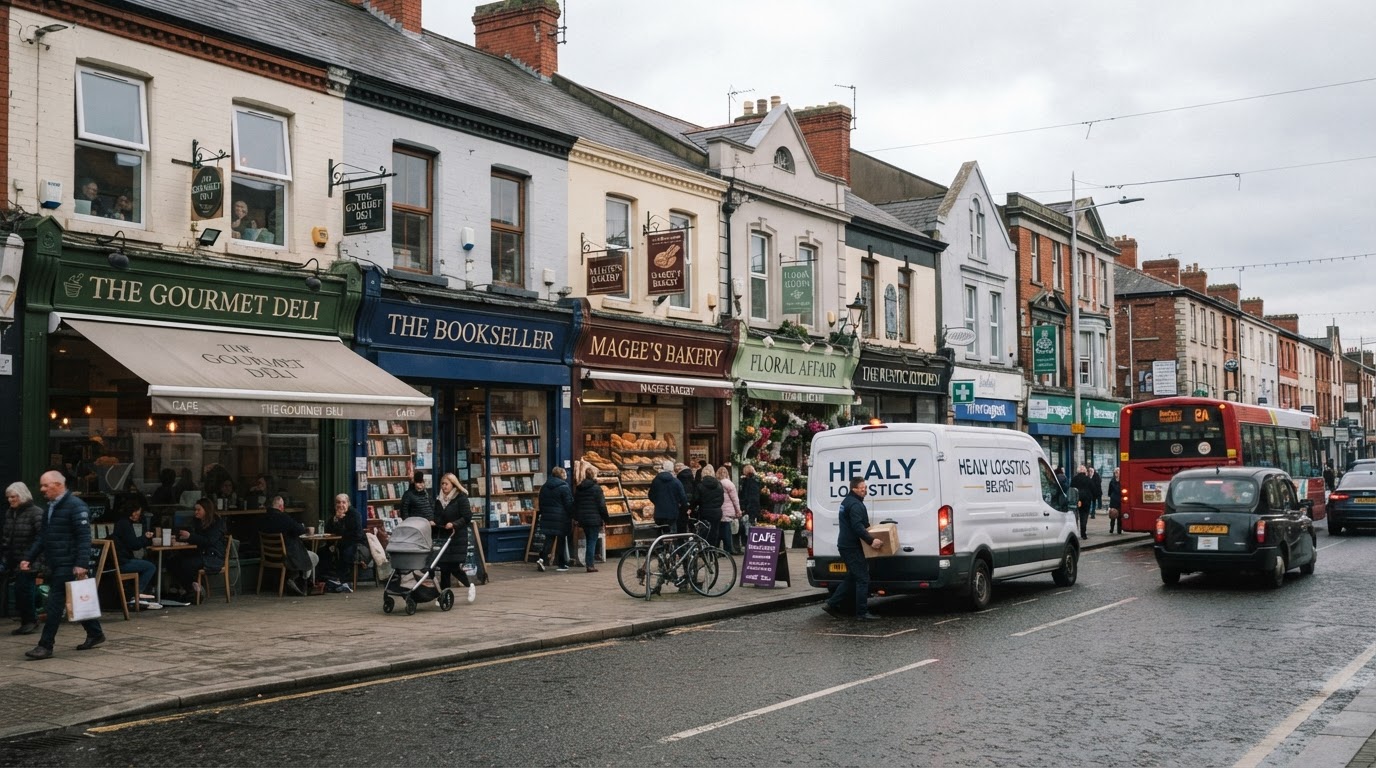
How comparing insurance quotes works in Belfast and Northern Ireland
Comparing insurance quotes means obtaining offers from more than one insurer or intermediary and weighing them against each other. Each quote is an indication of what the insurer would charge for the cover described, based on the information you provide. Because each insurer assesses and prices risk differently, quotes for the same risk can vary — and because each policy has its own exclusions, excesses and conditions, two quotes with similar premiums can offer very different cover. Comparing quotes well means comparing the cover first and the premium second.
This page does not provide quotes, sell insurance or arrange cover. It explains how to compare insurance quotes, what to check on each quote, and how to approach an authorised insurer or broker with the right information so you can compare with confidence.
The problem: comparing on price alone
The most common mistake when comparing insurance quotes is focusing on the premium and overlooking the cover. A cheaper quote may have a higher excess, a lower indemnity limit, or an exclusion that a slightly more expensive policy does not. The saving on the premium can be small compared to the cost of an uncovered claim. Comparing quotes on price alone can lead you to a policy that costs less but covers less.
Another issue is that the information behind a quote determines its accuracy. If you understate your turnover, omit an activity, or fail to declare a claims history, the quote may be lower — but the insurer may reduce or decline a claim, or cancel the policy, when the inaccuracy comes to light. The comparison stage is the right time to make sure everything is declared accurately, so the quotes you compare are valid.
Why careful comparison matters
A good comparison looks at the cover each quote offers alongside the premium. For each quote, check the excesses (what you pay towards each claim), the indemnity limits (the maximum the insurer pays per claim or per period), the exclusions (what the policy does not cover), the conditions (what you must do for the cover to apply), and the sums insured (whether buildings, stock and other values are set on the right basis). A quote that includes cover you need — accidental damage, loss of rent, legal expenses — may be better value than a cheaper one that excludes those sections.
It is also worth comparing the insurer, not just the policy. The insurer underwriting the policy is the one that pays your claims, so its financial strength and claims-handling reputation matter. Two similar quotes may be underwritten by very different insurers. Check who underwrites each policy and how claims are handled, not just the premium.
Premiums reflect the level of risk each insurer is taking on, and each insurer prices risk differently. Factors that commonly influence the cost include the type and size of the risk, your claims history, the level of cover and excess selected, and the location and nature of the property or activity. This is why quotes from different insurers vary for the same risk — and why comparing several quotes is worthwhile.
How to compare insurance quotes in Belfast
Gather the information the insurer or broker is likely to need — details of the property or activity, your claims history, the level of cover required, and any contractual requirements — and provide the same information to each provider so the quotes are comparable. When the quotes arrive, compare the cover first — excesses, limits, exclusions, conditions and sums insured — and the premium second. Check who underwrites each policy and how claims are handled. When you are ready to arrange cover, speak to an appropriately authorised insurer or insurance intermediary. You can check whether an insurer or insurance intermediary is authorised on the Financial Conduct Authority's Financial Services Register at register.fca.org.uk, and check a firm's permissions and any disciplinary history. Always confirm a provider is appropriately authorised before sharing detailed personal or business information or arranging cover.
ANSWER ENGINE OPTIMISATION (AEO)
Questions to Ask When Looking for Compare Insurance Quotes in Belfast & Northern Ireland
RELATED COVER & GUIDANCE
Explore related insurance categories
- Insurance Quotes Belfast & Northern Ireland
- Insurance Quotes Belfast & Northern Ireland
- Cheap Insurance Belfast & Northern Ireland
- Insurance Renewal Belfast & Northern Ireland
- Affordable Insurance Belfast & Northern Ireland
- Insurance Cover Belfast & Northern Ireland
- Insurance Coverage Belfast & Northern Ireland
- Insurance Belfast